
This article reports on a series of teacher quality reports published by Research for Action. According to a new analysis of data on Philadelphia teachers, schools that have a student population with 10 percent or more White students are more likely to have certified and experienced teachers and low teacher turnover than schools whose student bodies have fewer White students. Even small differences in the racial makeup of student bodies appear to be associatied with significant variations in the qualifications and turnover rates of schools’ teaching staffs.
Teacher Quality Inequitable in Philadelphia’s Schools
Date: June 2005
Related Publications
Publication
Growing Per Pupil Fund Balances in Pennsylvania Cyber Charter Schools
This research update from Research for Action’s PACER project revisits and expands on prior analyses of fund balances across Pennsylvania’s public education sectors using the most recent 2023–24 data. The findings show that cyber charter…
Publication
State of Inequity: Disparities in Pennsylvania School Districts by Degree of Funding Adequacy
This study provides the first descriptive comparison of the characteristics of Pennsylvania school districts by degree of school funding adequacy gaps, as calculated by the Pennsylvania Department of Education in 2024 using the state’s legislatively…

Publication
Patterns of Student Mobility Among English Learner Students in Public High Schools in Philadelphia
This study examines the mobility rates of English Learner (EL) students in the School District of Philadelphia (SDP). Student mobility refers to the process of students changing schools, either during the school year or over…
Publication
Students Experiencing Homelessness in Pennsylvania: A 2024 Update
This PACER brief provides RFA’s updated analysis of data on students experiencing homelessness in Pennsylvania, highlighting prevalence, challenges with identification, disparities in educational opportunities, and impact on academic outcomes. Our main findings include that: Roughly…

Publication
Small but Mighty: Lessons from Black Teachers’ Experiences in Allegheny County
RFA studied why Black teachers were leaving their jobs more than White teachers in Allegheny County from 2014 to 2020. RFA analyses have found that the number of Black teachers in the area was consistently…
Publication
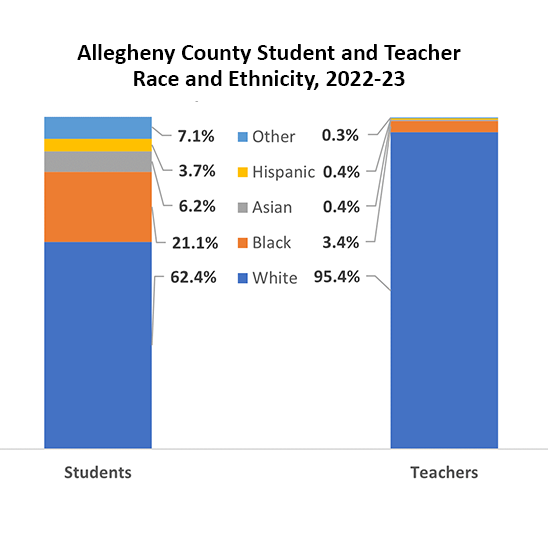
Allegheny County Teacher and Student Demographics: 2022-23 Update
This ACER brief updates RFA’s prior analyses of teacher and student race and ethnicity in Allegheny County public schools with data current through the 2022-23 school year. We found that in 2022-23, teachers of color (TOCs)…

Publication
Exploring the Diversity and Supports for School District of Philadelphia English Learners as they Prepare to Transition to High School
In Philadelphia, the School District (SDP) is home to a diverse community of English Learners (ELs) hailing from various ethnic backgrounds, cultures, and languages. ELs are students identified through the WIDA English proficiency screener, marked…
Publication
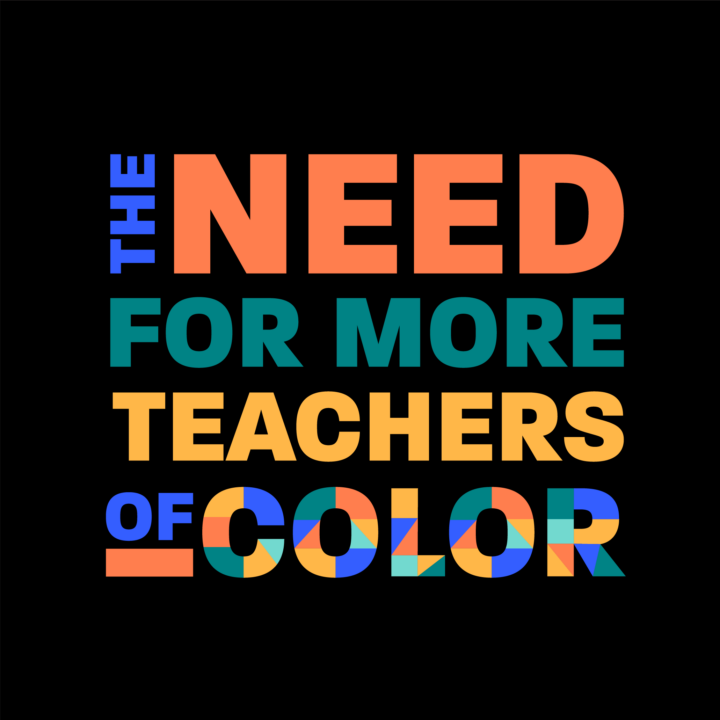
The Need for More Teachers of Color
This booklet, The Need for More Teachers of Color, was released as part of a Teach-In hosted by Research for Action on April 23, 2022, in FDR Park in Philadelphia. The booklet provides highlights of…
Publication
FAQ: Superintendents in Pennsylvania School Districts
Superintendent leadership plays an important role in charting the trajectory of school district operations and ultimately of student learning. Meanwhile, several school districts undergo a superintendent transition each year, yet relatively little is known about…
Publication
Access to Experienced Teachers in Allegheny County
Using personnel records from the Pennsylvania Department of Education (PDE), this ACER report, takes a closer look at teacher experience in Allegheny County, examining whether equity gaps exist between district and charter schools and between…
Publication
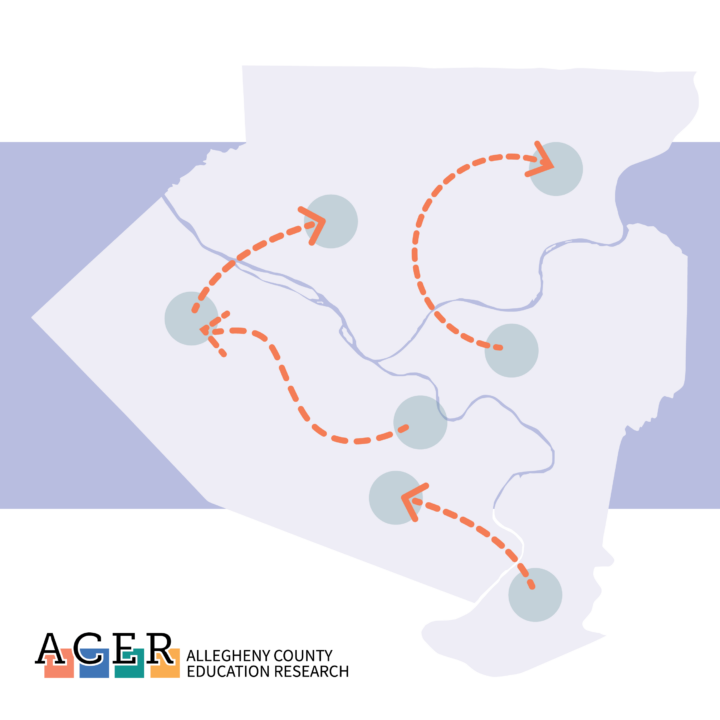
Teacher Mobility in Allegheny County, 2014-15 through 2019-20
Teacher mobility, or teacher turnover, has long garnered attention as a critical educational equity gap. This attention is warranted as, within schools, teachers have the single greatest impact on student achievement. The unprecedented interruptions to school-based learning and the trials…

Publication
Final Report: Evaluation of the Aspiring to Educate Philadelphia Pilot
In November 2019, the Pennsylvania Department of Education (PDE) announced the Aspiring to Educate (A2E) program and its intention to pilot the program in the Philadelphia area. The goals of A2E include diversifying and developing…