An Overview
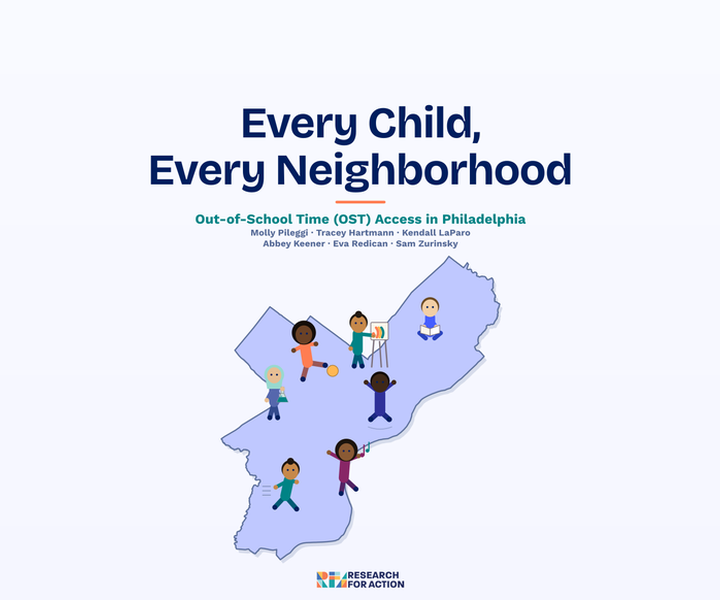
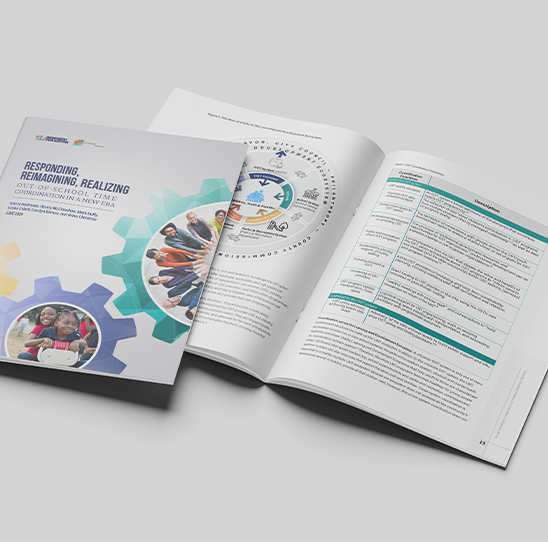
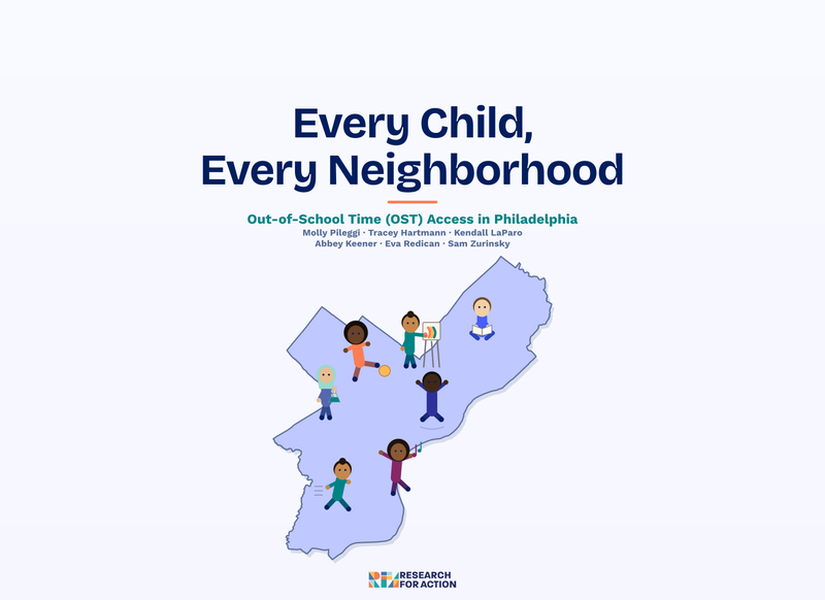
Our new report, funded by the William Penn Foundation, offers the most complete picture yet of where OST programs exist for children from Pre-K through grade 8 in Philadelphia, where they fall short, and who is missing out.
The report also highlights several “bright spots”: areas where, despite high concentrations of children experiencing poverty, available programs are adequate to meet the demand. These findings underscore the importance of strategic investment and complete citywide data as pathways to significantly close these gaps. You can read the Executive Summary here.
The Learnings
RFA’s research uncovered the following findings:
- If every family that might want an OST seat sought one, 33–67% of children would be left without access.
- School-aged children face the steepest shortfalls: 60–67% of children in grades K-3 and 4-8 lack access to before-school and summer programs. Even Pre-K OST, the best-served age group, is not available for roughly a third to half of families who might want it.
- Half of Philadelphia’s children live in poverty, and making sure they can access OST is a citywide priority. But there are gaps from 14,000 to nearly 35,000 seats for grades K through 8, across every program time.
- Gaps in OST seats occur in almost every part of Philadelphia, with nine zip codes accounting for approximately half the gaps for age groups and program times.
Public Relevance
OST programs—offered before and after school and during the summer—support learning and healthy youth development, and provide enrichment opportunities that can spark new interests and identify hidden talents for students. OST programs also support skill-building and career development, and strengthen connection and belonging with peers and caring adults in safe and supportive environments. But Philadelphia, as well as other cities across the U.S., need more data to determine how many seats are needed to ensure OST access for all students.
Put Our Research into Action
Recommendations from our report can help city leaders, OST providers, funders, advocates, and community stakeholders:
- Increase sustained public and private investment in OST
- Align funding where it can have the greatest impact
- Tailor investments to children’s developmental needs and the systems that serve them
- Strengthen Philadelphia’s OST infrastructure
- Continue building the evidence base for decision-making on OST programs
Learn More
To learn more about RFA’s OST research and learnings, from this and other engagements—or request a briefing about our OST work—please reach out to Tracey Hartmann at thartmann@researchforaction.org or Molly Pileggi at mpileggi@researchforaction.org.